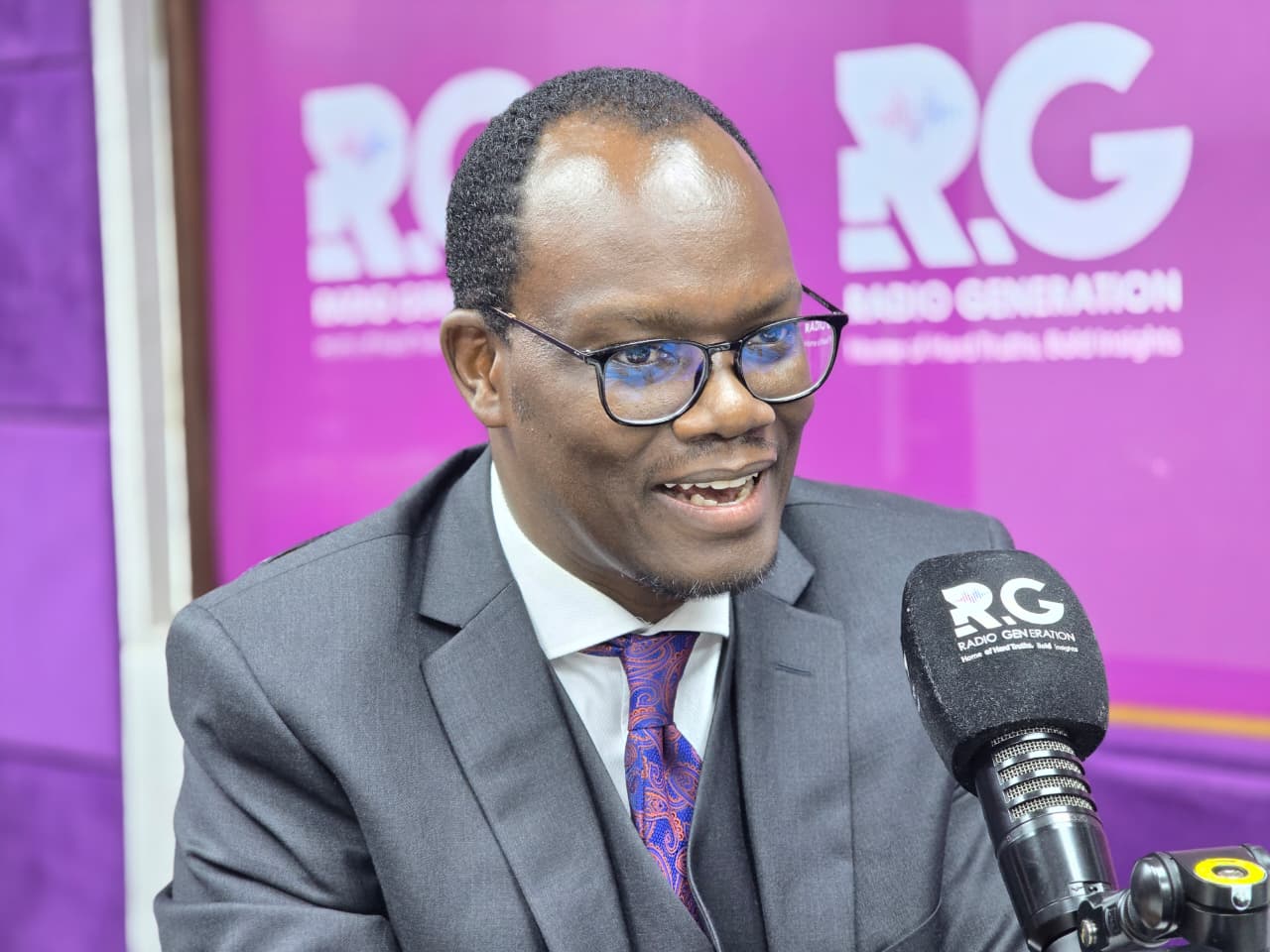
Kenya’s judiciary is stepping up the use of mediation and other non-adversarial approaches in a bid to reduce pressure on courts and promote more agreeable outcomes in disputes, Deputy Chief Registrar and Judiciary Spokesperson Paul Ndemo has said.
Speaking during a Radio Generation interview on Wednesday, Ndemo said the shift marks a move away from the long-standing court model that often sets parties against each other, towards a system that encourages dialogue and mutual understanding, especially in family-related cases.
“The judiciary is increasingly moving towards alternative justice systems,” he said.
He explained that the traditional court setup is largely confrontational, where one side wins and the other loses, a situation that can deepen disagreements rather than resolve them fully.
“Our system is what we call adversarial. It is you versus me, one party is happy, the other party is not happy,” Ndemo noted.
According to him, mediation and similar approaches offer a better path by allowing both sides to take part in finding a solution that works for everyone involved.
“So where we can get to a place where there is a mutually beneficial outcome, then why not,” he said.
Ndemo pointed out that family disputes stand to benefit the most from such methods, noting that many cases arise from long-running disagreements that could be settled outside the courtroom.
“When given the chance, parties can step away from court, go home, and resolve the matter through discussion,” he said.
He added that minor issues within families often grow into legal battles simply because there is no space for calm discussion at the early stages.
“Many cases that remain in court often stem from long-standing family disputes, where even minor issues end up escalating into legal battles,” Ndemo said.
The judiciary, he said, is actively promoting mediation as part of ongoing reforms aimed at improving how justice is delivered, with structured forums already in place to support the approach.
“We are really emphasizing a lot on alternative justice systems, on mediation,” he stated.
Ndemo also used the interview to explain how the judiciary is organised, saying the system is built in levels to handle different types of cases across the country.
He noted that magistrates’ courts form the backbone of the system, handling the largest share of cases.
“These are the courts that listen to maybe 90% of all our cases,” he said.
These courts are spread nationwide and deal with a wide range of matters, including minor criminal offences and civil disputes involving lower amounts of money.
Above them are the High Court and courts of equal status, which handle specialised areas such as employment, labour, land, and environmental matters. These are followed by the Court of Appeal, with the Supreme Court sitting at the top of the judicial system.
Ndemo also highlighted the role of tribunals, which deal with specific subject areas and are now part of the judiciary framework.
“You have different tribunals dealing with very specific areas,” he said.
He explained that tribunal members are drawn from various professional fields to ensure decisions are informed by technical knowledge.
“You’ll find professionals from fields like insurance and capital markets involved, ensuring decisions are made with proper expertise and understanding,” Ndemo noted.
On the administrative side, Ndemo said each court is managed by a registrar who ensures daily operations run smoothly.
“The registrar is the administrator, they coordinate and just make sure that everything is running,” he explained.
He added that deputy registrars support this work, especially in courts outside Nairobi, where it is not possible for a central registrar to be present.
“The registrar cannot be in all those places across the country,” he said.
Deputy registrars also carry out certain judicial duties, including handling procedural matters and enforcing court orders.
“In certain instances, Deputy Registrars can hear and determine specific matters as part of their duties,” Ndemo said.
He said the layered structure and ongoing reforms are meant to ensure the judiciary remains efficient, accessible, and responsive to the needs of Kenyans.































Comments
Sign in with Google to comment, reply, and like comments.
Continue with Google